
The Complete Guide to Choosing the Perfect Matcha Bowl
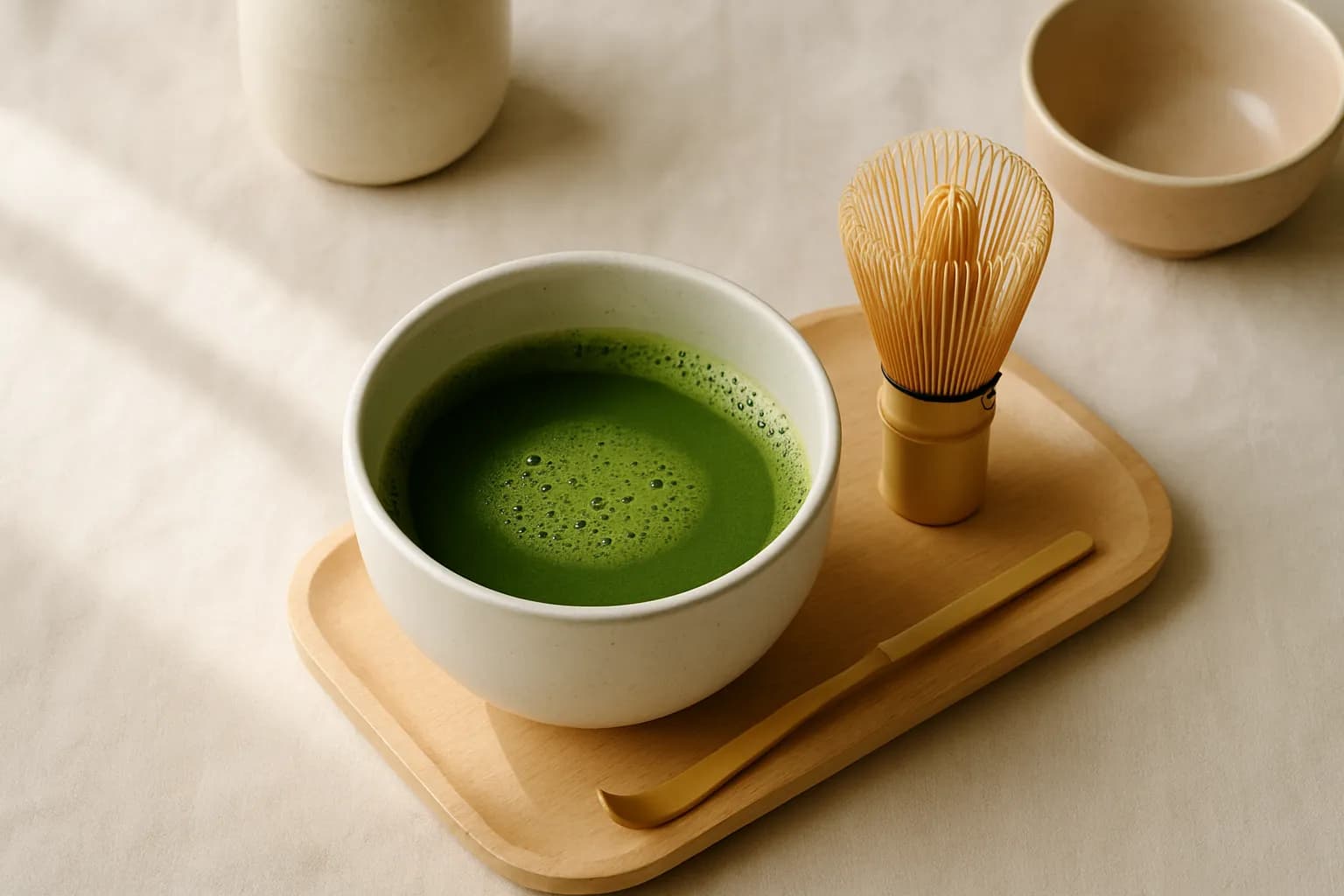
What Is a Matcha Bowl?
A matcha bowl, called a chawan in Japanese, is a wide, shallow bowl specifically designed for preparing and drinking matcha tea. Unlike regular tea cups, the matcha bowl's shape and size allow you to whisk the powder into a smooth, frothy consistency without splashing or creating clumps.
The traditional chawan has been refined over centuries to optimize the whisking motion, temperature retention, and overall sensory experience of drinking matcha. While you can technically whisk matcha in any bowl, a proper matcha bowl makes the process significantly easier and more enjoyable.
Why Does the Bowl Matter for Matcha Preparation?
The shape, size, and material of your matcha bowl directly impact your ability to create smooth, frothy matcha. A bowl that's too narrow restricts your whisking motion, while one that's too shallow causes splashing.
Traditional matcha bowls typically measure 4.5 to 5 inches in diameter and 3 to 3.5 inches in height. This provides enough room for the bamboo whisk (chasen) to move in a rapid M or W pattern, incorporating air to create that signature frothy layer on top.
The curved interior bottom is equally important. It helps guide the whisk naturally and prevents matcha powder from getting trapped in corners, ensuring every bit gets fully dissolved.
What Are the Different Types of Matcha Bowls?
Traditional Ceramic Chawan
Authentic Japanese ceramic bowls are handcrafted by artisans, often featuring irregular shapes, unique glazes, and a rustic aesthetic. These bowls typically come in two seasonal varieties: thick-walled bowls for winter (to retain heat) and thinner bowls for summer (to help tea cool faster).
Traditional chawan can range from $30 for simpler designs to several hundred dollars for pieces made by renowned potters. The ceramic material retains heat well and feels substantial in your hands, adding weight and ritual to the experience.
Modern Minimalist Bowls
Contemporary matcha bowls often feature clean lines, matte finishes, and neutral colors that fit modern kitchen aesthetics. These are typically mass-produced but still maintain the proper dimensions for whisking.
You'll find these in white, black, grey, or earth tones, usually priced between $15 and $50. They're dishwasher-safe and less precious than traditional bowls, making them ideal for daily use.
Glass and Porcelain Options
Glass matcha bowls let you watch the whisking process and see the color transformation as water hits the powder. Porcelain bowls are smoother than ceramic and often feature delicate painted designs.
Both materials work well for matcha preparation, though they may feel lighter and less insulated than traditional ceramic options.
How to Choose the Right Matcha Bowl for You
Consider Your Whisking Style
If you're new to whisking matcha, choose a bowl with a wider diameter (closer to 5 inches). This gives you more room to develop your technique without making a mess. As you get more comfortable, you can experiment with different sizes and shapes.
The interior should be smooth without ridges or texture that could catch your bamboo whisk and damage the delicate tines.
Think About Daily vs Ceremonial Use
For everyday matcha making, prioritize durability and ease of cleaning. A modern ceramic or porcelain bowl that's dishwasher-safe makes sense for busy mornings.
If you're practicing traditional tea ceremony or want to create a more intentional ritual, invest in a handcrafted chawan that feels special to hold and use. The imperfections and unique character add to the meditative quality of the experience.
Match Your Aesthetic
Your matcha bowl should bring you joy every time you use it. Whether that's a rustic Japanese aesthetic with natural earth tones, a sleek modern look in matte white, or something colorful and artistic—choose what resonates with you.
Remember that you'll be holding this bowl close to your face, so consider how the rim feels against your lips and how the weight feels in your hands.
What Size Matcha Bowl Do You Need?
Standard matcha bowls hold between 12 and 16 ounces of liquid, though you'll typically only use 2 to 4 ounces of water when whisking. The extra space is intentional—it prevents splashing and gives you room to maneuver the whisk.
For traditional usucha (thin tea) made with 1-2 grams of matcha powder, any standard-sized bowl works perfectly. If you want to make koicha (thick tea) with 3-4 grams of powder, the extra width becomes even more important for thorough mixing.
Smaller bowls (under 4 inches in diameter) are too restrictive for proper whisking technique. Larger serving bowls (over 6 inches) can work but feel unwieldy and ceremonially incorrect.
How Do You Care for a Matcha Bowl?
Traditional ceramic chawan should be hand-washed with warm water and minimal soap. The porous nature of unglazed or partially glazed bowls means they absorb flavors and develop a patina over time—this is considered desirable in Japanese tea culture.
After washing, dry your bowl thoroughly to prevent moisture from seeping into the ceramic. Never put traditional bowls in the dishwasher or microwave, as temperature extremes can cause cracking.
Modern glazed bowls are generally more forgiving and often dishwasher-safe, but check the manufacturer's care instructions. Even durable bowls benefit from gentle handling to preserve their finish.
Can You Make Matcha Without a Traditional Bowl?
You can whisk matcha in a regular cereal bowl, wide mug, or any vessel with enough diameter for your bamboo whisk to move freely. The technique matters more than the specific bowl.
That said, a proper matcha bowl makes the process smoother and more enjoyable. The shape is optimized for the whisking motion, the size prevents messes, and the ritual of using dedicated tools enhances the mindful quality of matcha preparation.
If you're not ready to invest in traditional tools or prefer the convenience of pre-whisked matcha, AURI Matcha Water offers the same 80mg of natural caffeine and L-theanine benefits in a ready-to-drink format. Sometimes the best matcha ritual is the one that fits your actual lifestyle.
What Other Tools Do You Need Besides a Matcha Bowl?
A complete matcha tea set includes four essential tools: the chawan (bowl), chasen (bamboo whisk), chashaku (bamboo scoop), and a chasen holder for drying and storing your whisk.
The bamboo whisk is non-negotiable for creating smooth, frothy matcha. Metal whisks or spoons don't incorporate air the same way and often leave clumps. Traditional whisks have 80 to 120 fine tines made from a single piece of bamboo.
The bamboo scoop provides the traditional measurement—one heaping scoop equals approximately 1 gram of matcha powder. You can use a teaspoon instead, but the scoop adds to the ceremonial experience.
Where Should You Buy a Matcha Bowl?
Authentic Japanese tea shops and online specialty retailers offer the widest selection of traditional chawan. Look for shops that source directly from Japanese artisans and provide information about the potter and region.
For modern options, home goods stores, Amazon, and matcha brands often sell bowl-and-whisk sets at reasonable prices. These are great starter options if you're new to matcha preparation.
Expect to pay $20-$40 for a quality beginner bowl, $50-$100 for a nice handcrafted piece, and $100+ for bowls made by recognized artisans or with historical significance.
How Does the Matcha Bowl Fit Into Traditional Tea Ceremony?
In Japanese tea ceremony (chanoyu), the chawan is considered the most important utensil. Guests admire and handle the bowl with both hands, rotating it to view all sides before drinking.
The host carefully selects a bowl that reflects the season, occasion, and relationship with guests. Winter bowls are deeper and heavier to retain warmth, while summer bowls are shallow and light to cool the tea faster.
The way you hold, rotate, and present the bowl follows specific etiquette passed down for generations. Even if you're not practicing formal tea ceremony, understanding this context adds depth to your personal matcha ritual.
Making Matcha Part of Your Daily Routine
Whether you invest in a traditional chawan or use a simple modern bowl, the act of whisking matcha creates a moment of pause in your day. The repetitive motion of the whisk, the bright green color emerging, and the earthy aroma all contribute to a mindful practice.
For days when you don't have time for the full ritual but still want the focus and energy matcha provides, keeping convenient options on hand makes sense. AURI combines real ceremonial-grade matcha with clean hydration in a grab-and-go format—zero sugar, 80mg natural caffeine, and all the L-theanine benefits you're looking for.
The best matcha routine is one you'll actually maintain. Some days that's a 10-minute whisking ritual with your favorite bowl. Other days it's cracking open a cold AURI Matcha Water between meetings.
Frequently Asked Questions
What is the difference between a matcha bowl and a regular bowl?
A matcha bowl (chawan) is specifically designed with a wide diameter (4.5-5 inches) and curved interior that allows proper whisking motion without splashing. Regular bowls are often too narrow or deep for the bamboo whisk to move freely and create frothy matcha.
How much does a good matcha bowl cost?
Quality beginner matcha bowls range from $20-$40, while handcrafted artisan bowls typically cost $50-$100. Traditional bowls made by renowned Japanese potters can cost several hundred dollars. Modern, dishwasher-safe options are available for $15-$30.
Can you put a matcha bowl in the dishwasher?
Traditional ceramic chawan should always be hand-washed, as the porous material and glazing can be damaged by dishwashers. Modern glazed ceramic or porcelain matcha bowls are often dishwasher-safe, but check the manufacturer's instructions to be sure.
Do you need a special bowl to make matcha?
While you can technically whisk matcha in any wide bowl or mug, a proper matcha bowl makes the process much easier. The specific shape and size are optimized for the whisking motion needed to create smooth, lump-free matcha with a frothy top layer.
What size matcha bowl should I buy?
Standard matcha bowls measure 4.5 to 5 inches in diameter and 3 to 3.5 inches in height, holding 12-16 ounces total. This size provides enough room for proper whisking technique while preventing splashing. Avoid bowls smaller than 4 inches in diameter.
Related Articles
Ready to Try AURI Matcha?
Premium ceremonial-grade matcha from Uji, Kyoto.
Shop Now